
Volunteer in Bali, Ethically
Volunteering here isn't giving your time away — it's learning, growing, and working directly with communities on projects they lead. No placement fees, no middlemen, no manufactured "helping".

What Makes Volunteering Ethical?
Ethical volunteering means the community sets the agenda, the work builds local capability instead of replacing local jobs, and volunteers are matched to real needs — not sold an experience. That's why we don't run orphanage visits, don't charge placement fees, and won't invent work to fill your itinerary.
Why we say no to orphanage tourism →The Work
Environmental and social projects in rural villages.
Community education — waste management, sustainability.
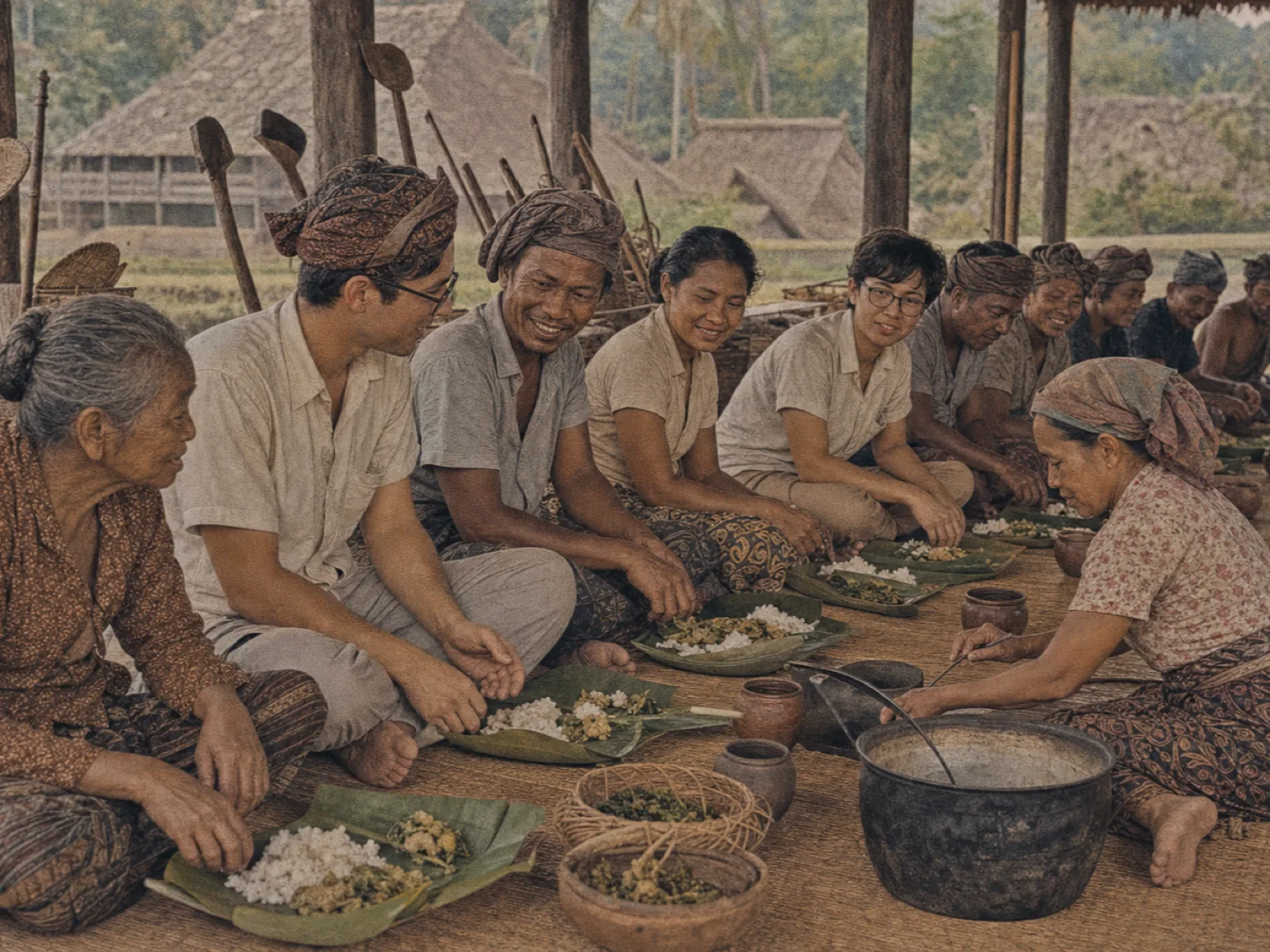
Side-by-side collaboration with Local Heroes.
Hands-on roles in real, running projects.
What to Expect
- Commitment
- —
- Location
- Village sites across Bali; briefing in Denpasar or on-site.
- Cost
- No program fee. You cover your own travel, accommodation, and meals.
- Visa
- Volunteering has legal requirements in Indonesia — we'll tell you honestly what your visa allows before you commit.
- Who it's for
- Anyone passionate about social impact, community work, and continuous learning.
Volunteering Questions, Answered
Not with us. We charge no placement fee — you cover your own travel and living costs. Marketplace programs charging hundreds of dollars are paying agencies, not villages.
It depends on your visa. Tourist visas don't permit work-like activity; social-cultural visas can. Ask us before booking flights — we'll advise honestly for your situation.
Long enough to be useful. One-day "voluntourism" mostly serves the volunteer; we design longer roles that serve the village.
Teaching, environmental science, communications and storytelling, business mentoring — but reliability beats credentials.
Over 80% of children in orphanages worldwide have living family; visits fuel a harmful industry. We work on family- and community-strengthening instead.